Anyone surfing the web today often experiences a sense of digital déjà vu. The logo in the top left, navigation right next to it, a massive hero image with a headline, followed by three columns featuring icons. Whether it’s an architecture firm, a law practice, or a tech startup—the visual language has become interchangeable.
The Illusion of Efficiency
Templates and website builders promise speed and low costs. But for brands that want to leave a lasting impression, they are a dead end. A template is a tight corset; it forces your message into a predefined shape. Anyone attempting to break out of it usually pays a high price: bloated code, unstable plugins, and a result that feels "warped."
The New Danger: AI Uniformity
Joining the classic templates is a new phenomenon: websites generated at the touch of a button. AI tools spit out entire layouts in seconds, including copy and stock images. The result is often technically "okay," but emotionally completely flat. AI learns from the average of the existing web. This means: if you let an AI generate your site, you get—by definition—the average of everything that already exists. It creates a sea of generic layouts that may look clean but offer no soul, no edge, and above all, no differentiation. If everyone uses the same AI, every brand ends up looking like the same company.
When Brand Identity Dies in the Grid
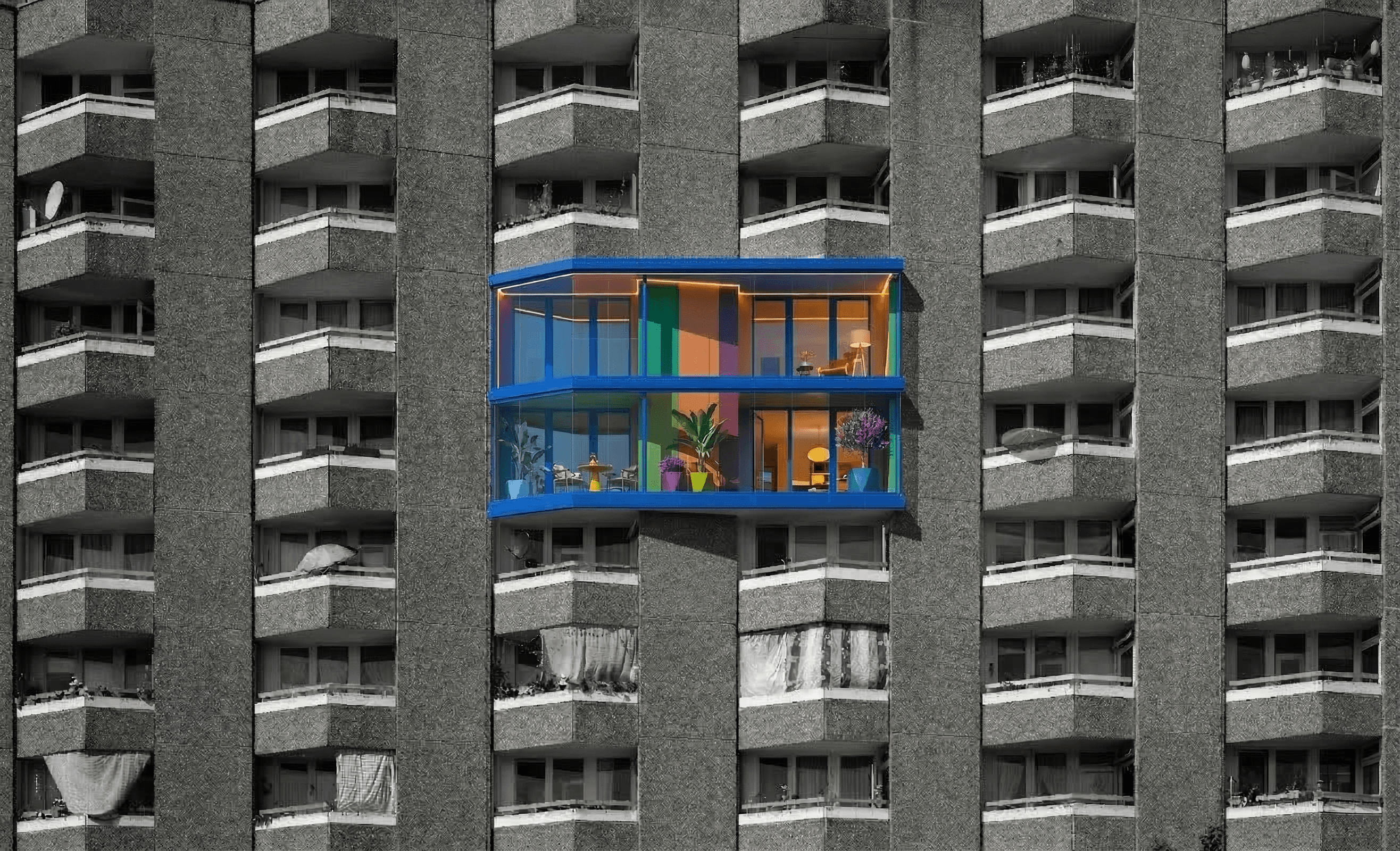
A corporate design is defined by nuances—by spacing, typography, rhythm, and visual hierarchies. Templates and AI generators level these nuances. They use standard grids and standard components built for the masses. In the digital space, brands end up looking like tenants in a prefabricated apartment block—the facade is identical; only the name on the doorbell changes. True uniqueness cannot be generated; it must be designed.
Liberation Through Infrastructure
True digital uniqueness does not come from "tweaking" algorithms or themes, but from building your own infrastructure. When we at Novero rely on custom development, we do so to give the design the space it needs. Individual development means:
Design follows function: We build the interface around the content, not the other way around.
Human intention: Every design decision has a reason that goes beyond statistical probabilities.
Competitive advantage: In a sea of AI-generated uniformity, the handcrafted original is the strongest currency.
Conclusion
A template or a generated site is a decision against your own identity. It is time to build your own digital house instead of moving into a pre-furnished apartment where you aren't allowed to paint the walls—and where your neighbor has exactly the same furniture.